Guide to Australia’s ski resorts
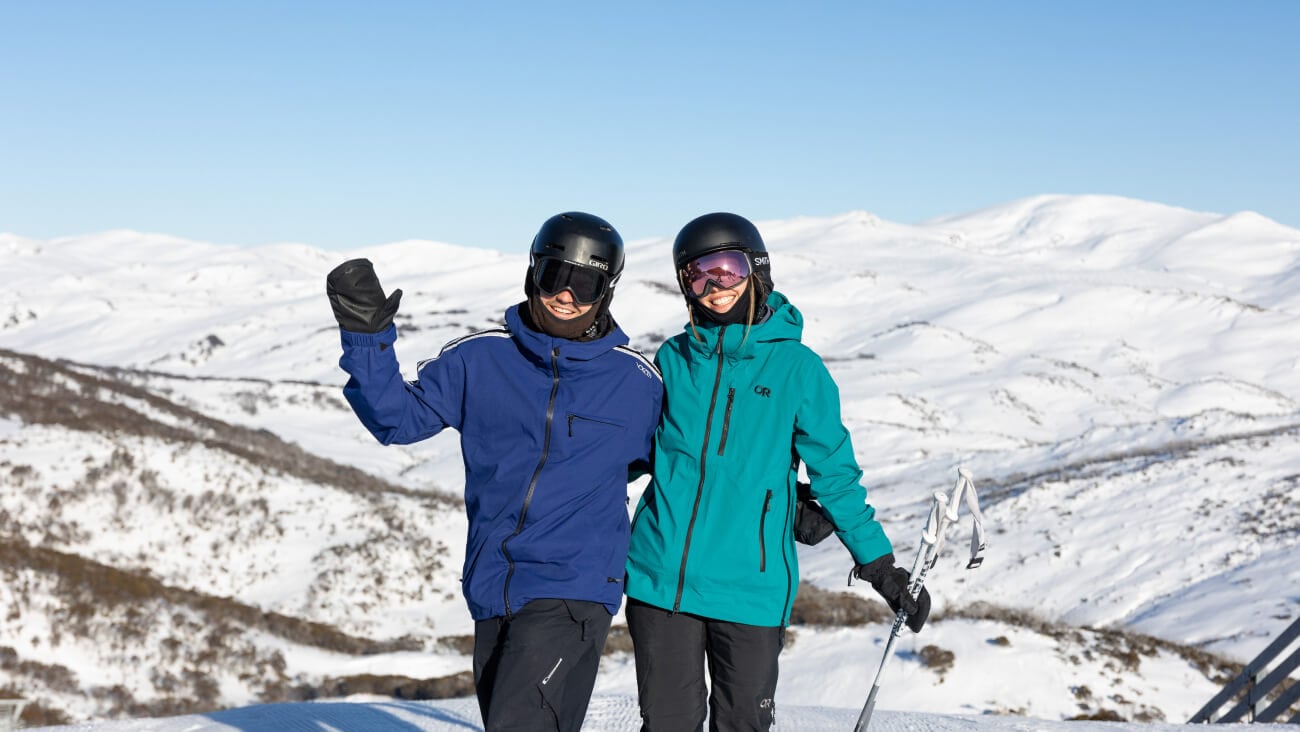
Image credit: Perisher Media Resources
If you love the outdoors and you’re keen for a winter getaway, why not check out the local skiing and snowboarding scene? With boulder-strewn mountains, unique snow gum forests, and the possibility of seeing an echidna or wombat trundling past, Australia offers an alpine experience like nowhere else.
What we do have in common with other skiing destinations is an appreciation of après ski (socialising after skiing). Ripping around on the snow all day puts people in an especially convivial mood, so you can expect a great holiday vibe at the pub and other local venues.
But the best part is our mountains are for everyone. Whether you want to try skiing or snowboarding for the first time, or you’re a regular snow-goer looking for a new spot to explore, here’s where you can get your downhill thrills and soak up Australia’s mountain culture.
5 hours 20 minutes from Sydney*
The main thing you’ll hear about Perisher is that it’s huge – at least double the size of any other Australian ski resort – making it one of the best places for exploration. Spread over four resort areas, connected by 46 lifts and 100 or so trails, you can easily ride all day without repeating the same runs or lifts over and over. If you like the idea of an all-day traverse, discovering fun tree routes and zippy groomers along the way, you’ll be in your element.
Perisher’s size also makes it a great place to learn, with multiple ski schools and beginner-friendly slopes available at Front Valley, Smiggin Holes and Blue Cow. Or take your pick from five terrain parks, two rider cross courses, Nordic skiing trails, guided backcountry tours, and a separate toboggan area.
For absolute convenience you can stay at one of the lodges or hotels spread around Perisher valley. Otherwise, base yourself in the lakeside town of Jindabyne where there’s more accommodation options (cabins, powered campsites, holiday rentals) as well as more nightlife. The drive takes a minimum of 30 minutes (more at peak hour) but you can bypass traffic and crowds by taking the Skitube, Perisher’s dedicated alpine train.
5hr 20 min from Sydney
Want to go on a snow trip in New South Wales but prefer to have everything at your hotel doorstep? Book your holiday at Thredbo village and enjoy strolling to and from the trails.
A mecca for intermediates who like slightly steeper terrain, Thredbo boasts several of the longest runs (up to 5km), the largest vertical drop (672 metres) and the highest lifted point (2,037 metres) in Australia. Beyond the boundaries adventurous visitors can try guided backcountry skiing, split boarding, and snowshoeing, or explore independently (if experienced).
Friday Flat is the dedicated beginner’s zone with ski school for any skill level, and there’s several terrain parks to work on your tricks. Thredbo doesn’t cater to tobogganing, but the Alpine Coaster opening in 2024 more than makes up for that. (Kids 3 to 8 can ride when accompanied by an adult).
Thredbo village is by far the most convenient place to stay, however you can also base yourself in Jindabyne and drive to and from the hill, which will take about 30 minutes each way depending on traffic.
5.5 hours from Sydney
If you’re not a fan of crowds – or cars – tuck yourself away for a weekend at Charlotte Pass. Perched higher than any other New South Wales snow resort and completely snowbound in winter, you’ll need to take oversnow transport to get there. It’s a compact resort with 10 lodges and ski clubs, 4 lifts and around 20 marked trails nestled in the snow gums. Enjoy at your own pace or get a lesson to work on your technique.
Charlotte Pass is also the starting point for the Main Range Track, a busy hiking circuit in summer and gateway to untouched snow for experienced backcountry skiers and split boarders in winter.
5.5 hours from Sydney
Following bushfire in 2019, Selwyn Snow Resort rebuilt its centre and facilities – even the rental equipment is new. The resort prides itself on affordability and catering to families with young kids, boasting the biggest dedicated toboggan zone in Australia and plenty of additional room for snow play. Absolute beginners can get lessons and practice their turns on gentle green groomers, and there’s a mix of more challenging runs to work up to (while also keeping more experienced family members happy).
There’s no on-mountain accommodation, so your best bet is to book a holiday rental at Adaminaby or Talbingo, around 45 minutes away by car.
5 hours from Melbourne
Falls Creek is a picturesque snow-covered village nestled within the biggest skiable area in Victoria. With plenty of ski-in ski-out accommodation, restaurants, bars and shops, it’s easy to maximise your holiday time both on and off the slopes. Part of the charm is that the resort’s roads are closed to cars during winter, so you can experience a true pedestrian village. Just don’t forget to bring some grippy, waterproof boots for strolling around in the snow and slush.
The trail network is well-designed with beginner and intermediate runs concentrated on one side, and advanced runs on the other. Terrain parks, cross country trails, tobogganing, backcountry tours, snowshoeing and more make Falls Creek a great all-rounder resort for anyone seeking a variety of winter fun.
4.5 hours from Melbourne
A trip to Hotham starts with a scenic drive to the highest point on the Great Alpine Road, where a mountain-top village is waiting. Unlike most ski villages built at the base of the slopes, Hotham is perched high at 1845m, with trails dropping into a valley. This unique geography is a playground for confident skiers and snowboarders, with a high proportion of advanced runs, plus an ‘extreme’ zone and natural bowls and gullies that fill with light, fluffy snow after a storm.
It’s a great spot for families and beginners too, with a separate bunny hill to learn on plus Dinner Plain just 10 minutes down the road. Between the two villages you have access to a broad range of trails and alpine experiences including snow play, snowshoeing, dog sledding, cross country ski trails and tobogganing.
Stay in Hotham village to be walking (or sliding) distance from the downhill runs or rent a cosy chalet in Dinner Plain and enjoy low-key winter activities without a resort entry fee.
3 hours from Melbourne
If you live in Melbourne, you could do as many others do and visit Mt Buller in one (very long) day. But why rush if you don’t have to? There's ample accommodation that you can ski or walk to, and one of Australia’s liveliest après villages for socialising in the PM.
Beyond the beginner slopes, advanced skiers and snowboarders have the biggest share of the trails and many are left natural. So, if you’re confident on black runs and there’s been some recent snowfall, you can have a lot of fun on ungroomed runs, trails through trees and natural rock features.
You can also mix it up with terrain parks, snow shoeing and cross-country skiing, tobogganing and snow play.
2hr 40min from Melbourne
Mt Baw Baw is ideal for families looking for tobogganing and snow play, as well as first-time skiers and snowboarders. You can book lessons with the ski school and practice on easy downhill runs and get confident using surface lifts at the same time (there’s only T-bars and button bars here). At just 30 hectares in size, the lift price is more affordable than larger resorts, and offers great value while you’re still finding your snow feet.
There’s also 10km of groomed cross country ski trails, snowshoeing, and walks with the resident dingoes available. It’s another ski field that you could visit as a day trip from Melbourne or take your time by staying in a local apartment, cabin or traditional lodge with ski-to-door access.
1hr 10min from Launceston
If you’re looking for fresh snow to ski or ride in northern Tasmania, head to Ben Lomond Alpine Resort. The distance from Launceston makes for a cruisy day trip, but there are ski lodges and mountain huts available for visitors and ski club members if you prefer to hunker down for longer.
Seven surface lifts serve the 30-hectare resort, and you can also go cross country skiing or tobogganing, with all the rental equipment you need available at the base.
1.5 hours from Hobart
Mount Mawson may be the smallest on the list but it’s brimming with character. Located in Mount Field National Park, the snowfield opens on weekends only (when conditions are favourable) and is run entirely by volunteers from local ski clubs.
You’ll need to bring cash for your ticket to be rope-towed up the slopes, and all your own gear as there’s nowhere to hire skis or boards in the region. It’s also a good spot to enjoy a few hours of tobogganing.
As with many of the small ski fields that are close to cities, you have the advantage of flexibility. Stay in Hobart and if the weather forecast looks good, visit Mount Mawson as a day trip. With budget-friendly prices and 14 hectares of beautiful snowy scenery, including cross country trails, it could be just what you need to fill your cup.
Opening dates vary from place to place, with the earliest usually being mid-June. Some lower-elevation resorts may not open until July, so check individual websites for updates. You can gauge how conditions are shaping up based on snow reports too. Spring has been known to bring fresh snowstorms that keep the season open until the end of September (and sometimes an extra week if the snow keeps coming). Mountain weather has a mind of its own so whatever month you visit, be prepared for the possibility of snow, sunshine, wind, fog or rain, or even four seasons in a day.
One certainty is that school holidays and weekends are the busiest days of the season. If you’re flexible with your dates, a mid-week ski trip during school term will reward you with shorter queues and fewer crowds.
With all that in mind, book accommodation at popular ski resorts in advance so you don’t miss out. There’s often early bird savings on lift passes too. Crunch the numbers to see if a season pass will offer better value, especially if you’re planning more than one snow trip.
Essential gear
- For your chosen snowsport you’ll need boots plus a board or skis and poles.
- Chains for your tyres in case mountain road conditions are snowy or icy.
- Helmets are encouraged (but not mandatory). If you’re learning to snowboard, falls will be frequent at first, so consider some bum and wrist padding.
- Snow goggles (or sunglasses will do in fine weather)
- High SPF sunscreen. It may be cold but the slopes are exposed.
- Waterproof snow jacket, pants and gloves (Australia’s snow is on the wetter side)
- Base layers made from synthetic fabric or wool (not cotton!) and a buff for protection from wind chill.
To save some money you can rent most equipment from the resort base or nearby mountain towns, or you could borrow from a friend or buy secondhand.
Trail colour grading is consistent across Aussie ski resorts but may differ slightly from international resorts. Green is easiest, blue is intermediate, black is advanced, and diamond symbols indicate expert terrain. Start at your level and progress at a pace you’re comfortable with, even if it means splitting from your group.
It’s a good idea to carry your phone with you so you can regroup later and access the resort’s app (if they have one), trail maps and of course take some selfies with the unique bush backdrop. Bear in mind cold temperatures can accelerate battery drain so read up on snow-proofing your device here.
Missed the snow season Down Under? You can always catch the white season north of the equator at these epic skiing and snowboarding destinations around the world.
*Estimated time to drive from the centre of each capital city.
Get connected when you arrive in Australia with our flexible, great value Mobile plans and Prepaid SIM plans.
Heading to New Zealand for a ski trip? Stay in touch while you’re overseas with Optus International Roaming.
Optus to offer the new iPhone 18 Pro range and Apple Watch Series 12 lineup
10 September 2026
iPhone 18 Pro and iPhone Duo have finally been announced, and you can learn more about them here.
What we’re watching in September 2026
7 September 2026
Discover what Optus is watching this August. 1. The Gentlemen S2, Netflix, 2. The Love Hypothesis, Prime Video. 3. The Runn...
Three reasons why Optus long-expiry prepaid plans are perfect for seasonal workers
4 September 2026
Are you a seasonal worker? It could be a smart move to pick up a long-expiry prepaid plan. Here’s three reasons why.