Escape the technical graveyard: the power of smarter technologies
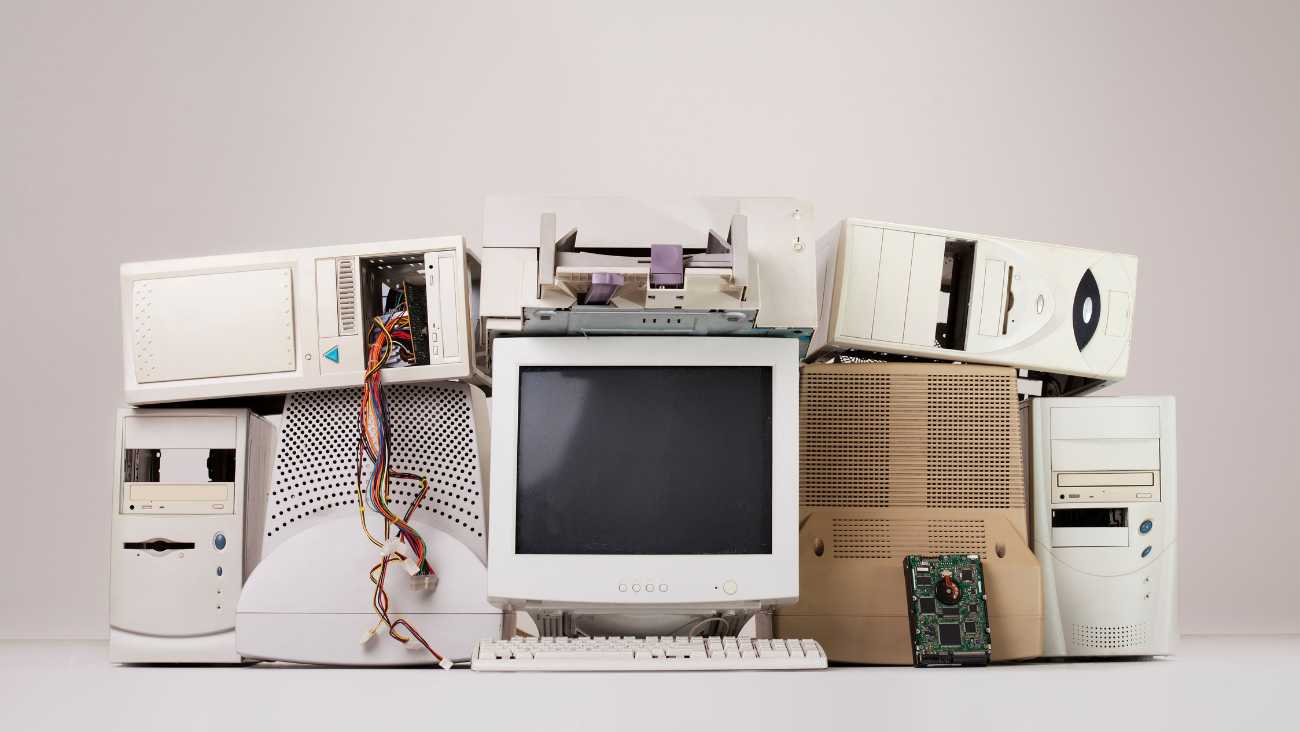
Image Source: Adobe Stock
Technology is constantly evolving, and this evolution drives endless change in the workforce. For instance, emerging technologies such as machine learning have created entire ecosystems of jobs that did not exist as little as a decade ago.
The World Economic Forum's recently released Future of Jobs Report 2023 found that 75% of organisations are planning to introduce AI over the next five years further illustrating the dynamic nature of the transformation happening in today’s job market.
These changes bring increasing opportunities to refine the way businesses operate. Innovation brings disruption; it challenges established patterns and allows for greater efficiency and new ways of thinking. It offers exciting improvements to customer experience and brings about solutions to some organisation's toughest problems.
Over half of all Australian businesses report actively investing in innovation. But, keeping up with new developments isn’t as simple as always buying the latest technology.
There’s power in embracing the right technologies for business: smarter tech offers solutions unlike ever before. The overlapping and integration of cloud-enabled Smart Networks is putting increased power in the hands of businesses, enabling better customer service, more rigid monitoring and seamless information sharing.
In an unpredictable technological landscape that is ruled by customer experience, 5G, and Artificial Intelligence (AI), businesses would do well to escape the technical graveyard by creating solutions that suit their needs.
Image Source: Adobe Stock
In an ever-changing landscape, make future-proof decisions
Building a smart framework of technical solutions is done one decision at a time. We advocate for modular offerings, such as Optus’ scalable Evolve network, because we have seen the need for them first-hand.
It is important to be able to build technical capabilities in a way that is future-proofed. Modular plans allow organisations to continually develop agile networks of integrated technology, rather than being locked into a dependency on equipment that quickly becomes outdated.
Solutions must be both attainable and sustainable, as well as align with an organisations’ overarching strategy. For instance, consider how the choice of a meeting room can offer much more than just a space in which to work. At Optus, we look at how that space can be positioned as a service, a tech-integrated smart building that enhances a company’s capabilities.
Failure will be a core part of your ever-evolving process
Don’t be afraid to fail. The philosophy of failing fast is outdated. You don’t need to fail fast, but instead, acknowledge that the decision made was not the right one. Failing forward better describes the process.
When faced with failure, it’s important to look at what can be salvaged from that investment and take lessons from what went wrong. Our advice would be to stay grounded in the wake of failure, as it allows you to pivot towards the next opportunity.
Define a user-focused North Star
Reflecting deeply and frequently on the business’ guiding principles - the North Star - is vital to delivering positive customer outcomes.
Image Source: Adobe Stock
The increasing pace of change and innovation means these discussions should take place more frequently. Re-focusing and redefining the North Star is an important measure to prevent the organisation becoming complacent and set their ways.
Traditions and the attitude of “this is the way we have always done it” is of little value if customers are not satisfied. This is particularly important as customers continue to change. By 2025, as much as 75% of the workforce will be made up of digital natives, who expect seamless integrated mobile solutions as standard.
Infrastructure should be laser-focused on customers and employees
Prioritise infrastructure that can best fit a customers’ needs and better assist an organisation’s employees.
Without these considerations, workplaces run the risk of hampering, not helping workers, saddling them with outdated systems and obsolete hardware running inefficient software. Organisations will fail to lure workers back to the office if they cannot address this major frustration. Microsoft’s Trend Index study found 73% of employees felt company expectations were not enough of a reason to return to the office. A revitalised work environment requires integrating fresh technology to improve productivity and capability.
The pandemic taught us we could work just as well, if not better, remotely. A study by the University of Melbourne found that 70% of people who worked from home during that time wanted to continue doing so. Cloud-based technologies improve information sharing and make collaboration easier, with 5G-enabled mobile technology allowing work to be done from anywhere.
More than half of Australian businesses said getting staff back to the offices was a goal for 2023. If working in a physical office environment is important to your business, it needs to be reflected in that office space. Continue asking whether your office space offers more for employees than their home office.
Embrace new angles and different insights
Embrace the opportunity to collaborate with other organisations in order to develop new technological solutions. Different parties come at problems from different angles and offer valuable insights. Whether it’s applying AI through audio transcription services or partnering with cloud storage firms to deliver information-sharing systems, a willingness to collaborate is vital to finding an edge.
With integrated mobile and 5G technologies, the opportunities are there to redefine what a workplace is. Let employee experience guide the direction a business takes, focusing on how to better empower their workforce.
Crucially, avoid the complacency of thinking your existing tech solutions will suffice into the future. Technology evolves, as do the needs of employees. It is in the best interest of any organisation to constantly ask what problems need solving.
Further information
If you would like to continue this conversation further, please reach out to your Optus Account Manager or request a call back below.


Optus Enterprise is the enterprise division of Australia’s second largest telco.
Our expertise spans across smart networks, mobility, digital transformation, ICT solutions, cloud and cyber security.
Sign up
Want to hear more from Optus Business, sign up to receive the latest news and insights sent straight to your inbox.
To adapt to rapid change, you need more than technology
10 September 2026
Ask any enterprise leader about their five-year strategy and they’ll tell you the same thing: static roadmaps are dead.Boar...
Marist180 x Optus: The hidden cost of disconnection
9 September 2026
When Australians think about connectivity, they often think about convenience. Streaming a movie. Joining a Teams meeting. ...
Project Aurora: Smarter Satellite Servicing for a connected future
12 August 2026
For decades, the satellite industry followed a simple model: build a satellite, launch it into orbit and operate it until i...