Smartwatch features: Fall detection
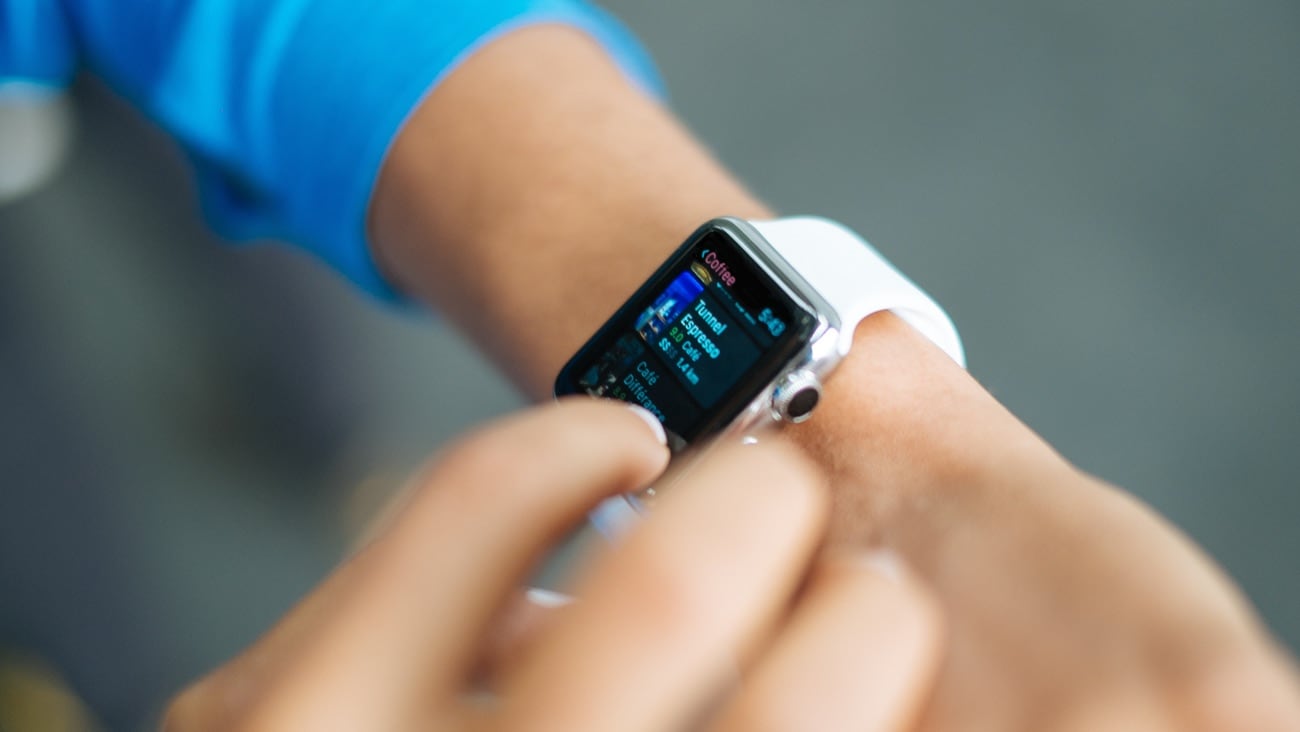
Image credit: iStock
Do you know someone prone to falls? Here’s the lowdown on how some smartwatches claim they can detect falls.
Smartwatches are very swish. Not only can you use them to check the time, but you can also text message, track steps, call and even monitor your heart rate on them. It’s all very Star Trek. But perhaps one of the most interesting features smartwatches on the market have today is their ability to detect when their wearer has a fall. This is not just a cool feature, this is something that could potentially save someone’s life. What kind of magic is this, we hear you say? Well, let us break it down for you.
Already know which smartwatch is for you, find it here
How does it work?
It’s all very tricky, science-y stuff, but essentially smartwatches (that have fall detection) have an inbuilt algorithm that can detect when the wearer has had a fall. To burrow down into the nitty-gritty of it, the accelerometer and gyroscope tech within the smart device is what sense the fall in the wearer. These sensors monitor the wearer’s everyday activity and have the ability to detect falling motion.
Interestingly, these sensors are already built into other tech we use daily, like our smartphones. According to LiveScience, the accelerometer, which measures speed and velocity divided by time, is visible on your smartphone when you alter its position causing it to change its orientation. While the gyroscope is tech that uses gravity to help determine orientation. Combining the two is what can detect when the wearer has had a fall. Nifty, huh?
What happens next?
It depends on the smartwatch. After a fall, the Apple Watch (series 4 onwards) for example, will tap the wearer on the wrist, sound an alarm and display an alert on the watch face. If the watch hasn’t sensed any movement from the wearer for a minute, it will call emergency services providing the wearer’s latitude and longitude coordinates. When it’s finished calling, it will then send a message to all the wearer’s emergency contacts (which it gets from their medical ID) notifying them that the wearer has had a fall, where they are and that emergency services have been called.
The Verdict
To preface, the best fall monitoring devices are still the traditional medical alert monitoring systems that are specifically designed to give you professional monitoring services. However, the latest watches have the potential to give these traditional services a run for their money. Other less intuitive smartwatches include: MobileHelp Smart and Freedom Guardian, unlike the new watches and medical alert monitoring systems, cannot automatically detect when the wearer falls.
This article is for informative and entertainment purposes only. Please consult your physician or medical professional before you decide which fall detection system is right for you.
If you are in the market for a smartwatch that has the ability to detect a fall, peruse our smartwatch range
 Share on Facebook
 Share on Twitter
 Share on LinkedIn
Should I buy a foldable phone?
16 October 2026
Interested in buying a foldable phone? Here are some things to keep in mind when you’re shopping around for a device.
Should I buy a smartwatch for my kid?
6 October 2026
A smartwatch can be an awesome gadget for a child, particularly if you want to keep in contact with them or be sure of wher...
What are the coolest features that smartwatches have?
6 October 2026
Interested in getting a smartwatch? Here are some of the cool features that you should keep in mind (particularly if you’re...