Planning a beach holiday in Australia
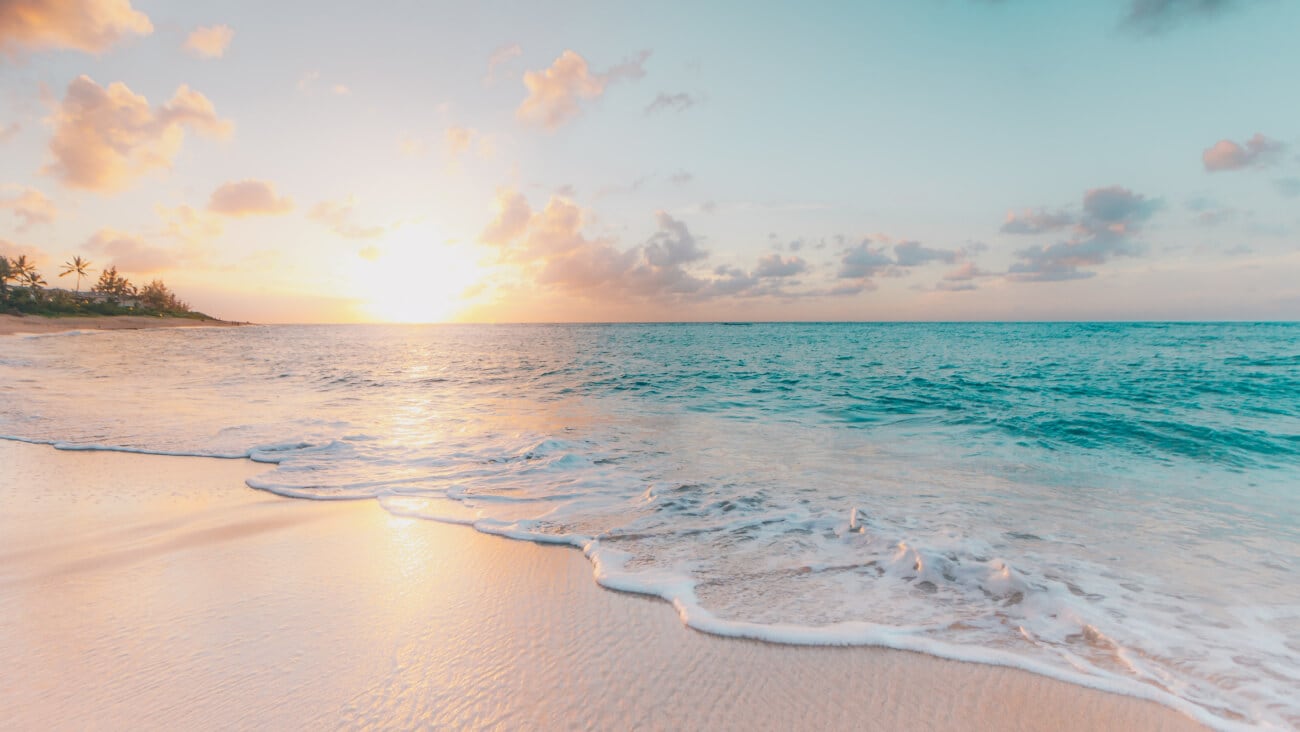
Australia is home to many beautiful beaches. From pristine white sandy beaches in Tasmania to the tropical oceans in Queensland. Every beach has different surf conditions and marine life. We’ll help you pick the right items for your trip so that you have a memorable time and stay safe.
Packing for your trip is determined by the mode of transport, weather, and activities you’ve planned. Be it a short getaway for a day or taking a flight; the question “What to pack?” weighs on us all.
Here are some beach essentials:
- Sunscreen - SPF 50 works well for the face and body. If you are keen to buy an eco-friendly sunscreen, check for the reef-safe label on the packaging.
- First aid kit - a zip lock bag with band-aids and antiseptic cream can help you treat minor injuries especially when you’re visiting remote beaches with no lifeguards.
- Thongs - as wonderful as it is to go barefoot on the soft sand, the walk to and from the parking lot can be uncomfortable. Pack a pair of thongs that you don’t mind getting sandy and wet.
- Talc - usually used for babies, talcum powder can also be used to remove sand. Apply a generous amount of talc to your feet and the sand will easily come off.
- Beach towels or mats - there are different types of beach towels available. The budget-friendly plush ones in Kmart to slightly more expensive Tesalate The latter is a good investment as they don’t hold sand, are easy to clean and don’t take much room. Jute mats are also handy alternatives as they are eco-friendly and easy to clean. Do keep in mind that without a towel on top, they get hot on a sunny day.
- Hat, sunnies, and your favourite book.
Did someone tell you all beaches look the same? We’re here to bust that myth by taking you around some unique beaches in Australia that may not know.
Image credit: Autumn Afar on Unsplash
Often appearing on best beaches lists, the Bay of Fires on the east coast of Tasmania is a treat for the senses. The “fire” part of the name is due to the orange lichen that covers the granite rocks that frame the bays along a glorious 50km strip of coastline. There’s pristine white sand and crystal-clear water that’s inviting at any time of year. There’s plenty to do and see in the area including places to sample the region’s seafood.
Image credit: Yuriy MLCN on Unsplash
Nestled in NSW National Park, Garie Beach is a surprising treat. The surfing conditions make it a perfect choice for kite surfers. But before getting in the water, check rip currents and signs for dangerous surf. If you don’t want to venture into the wild water, grab a coffee and enjoy the view from one of the picnic benches or take a stroll along the sandy stretch. The beach has shower and change facilities, a small café, and plenty of parking.
Image credit: Jose Mizrahi on Unsplash
A lake, beach, or both? This popular tourist spot on Fraser Island comes in all shades of blue. No wonder Fraser Island is World Heritage listed. All its beaches are beautiful. Lake Mckenzie may not be the first thing that comes to mind when you’re planning a holiday on Fraser Island yet it’s a swimmer’s paradise. The bright and powdery sand around the lake gives it a beachy vibe. To experience the pristine waters of the lake, you need to hire a 4WD and drive for 12 km from the Fraser Island wharf. Pack your beach bag, some snacks and maybe a pool floatie.
Image credit: Devang Sahani on Unsplash
What makes this beach special? Tram connectivity to the beach, proximity to the city centre, a vibrant nightlife are some of the highlights. Most importantly, there’s The Moseley Beach Club, a beautiful restaurant right on Glenelg Beach. Comfortable bean bags are set on the soft sand. You can grab cocktails and food from the restaurant and enjoy the sunset with the sound of waves lapping the shoreline. You won’t find this experience anywhere else in Australia. No wonder so many tourists and locals are attracted to this beach.
If this set up is not your thing, you can walk on the jetty, spend time with kids on the playground, or take a dip in the warm sea.
Every beach in Australia has different topography. Royal Life Saving Australia (RLSA) has all the information you need to stay safe on the beach. Remember to always swim between the red and yellow flags. Even if you’re a strong swimmer, avoid getting into the water on an unpatrolled beach. Find your nearest patrolled beach.
During the rainy season, the chances of encountering blue bottles or marine stingers (also known as jellyfish) are high. Keep an eye out for the safety signs before getting into the water and be aware of first aid in case you get stung.
During your travels you might like to ask your family or friends to check in with you with Optus Sidekick.
Find balance with Optus Pause. With the push of a button, you can control and “press pause” almost all of your Optus mobile and home Wi-Fi connections from My Optus app.
EOFY scams: how to stay safe
7 October 2026
Stay safe this EOFY season – protect yourself from EOFY scams and read up on the tactics of scammers.
Optus Digital Thumbprint teams up with Hoops 4 Health to keep young people safe online
2 July 2026
Optus Digital Thumbprint and Supercars star Chaz Mostert helped deliver a Hoops 4 Health session in the Top End, empowering...
Donate Your Data. Help Change Lives.
23 February 2026
When people think of hardship, they don’t always picture Australia’s Northern Beaches. But behind the coastal postcard lies...