Beginner’s guide to camping
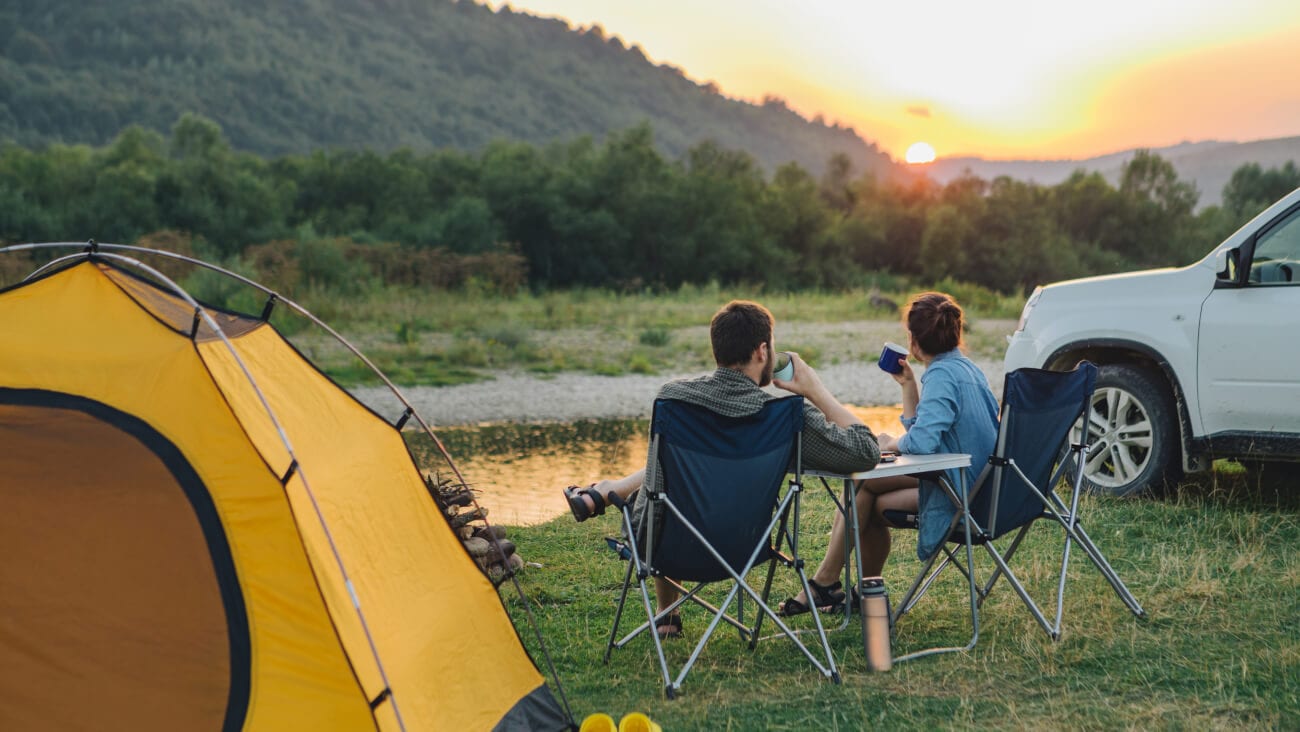
Image credit: Vera_Petrunina on iStock
City life can be hectic, and we all need a change of scenery sometimes. With around 90 per cent of the Australian population living and working in urban areas, it’s no surprise we’re a nation of people that love to go camping with friends and family any chance we get.
After all, spending time in nature is good for our health and wellbeing, and camping is a great way to get a concentrated dose. Not only are you out among the gum trees, bonding with loved ones while enjoying outdoor activities and learning practical skills – it’s much more affordable to go camping than stay in a hotel, resort or holiday house for a week.
Camping is like any skill. The more you do it, the better you’ll get. And if the idea of total self-sufficiency is a little daunting at first, just ease into it.
You could book a glamping trip where everything’s already set up or hire a campervan or motorhome that comes with a fully equipped kitchen, camp chairs and bedding. Choose a beginner-friendly campground with shared facilities like a camp kitchen, barbecues, and shower blocks.
For remote camping trips, go with experienced friends and family who have all the gear and knowhow. Pitch in and learn from them. If you end up being a camping convert, you can start adding to your own camping gear and going on independent trips.
Setting up camp is a cinch when you’re already familiar with how everything goes together. It’s also better to find out sooner rather than later if your blow-up mat has a hole in it or your tent pegs are missing. Some of the important stuff you should check before heading off are tents and awnings, portable stoves, gas bottles, and anything inflatable.
Camping requires more ‘stuff’ than your typical holiday, and with that comes an increased risk of forgetting something. If you’re not a natural list-maker, use a packing list app or copy an online template and check items off as you pack them.
Things can go missing in the car, too. Spare yourself some rummaging by packing items the way you would logically use them, ideally in labelled tubs. ‘A place for everything, and everything in its place’ is an adage every camper should live by.
Campgrounds can be found in some obvious places, like national parks and caravan parks. And some not-so-obvious places, like farms, pubs and the ruins of ghost towns. Use Aircamp and Hipcamp for unique stays on private properties, and Wikicamps or CamperMate for a wide range of free and paid campgrounds around Australia. Make sure the campground has the facilities you need (based on how self-sufficient your setup is). Some things to consider are:
- Is potable (safe to drink) water available or do you need to bring enough to last the whole trip?
- Are the sites powered or unpowered?
- What’s the toilet situation? Tip: always bring your own toilet paper regardless.
- Is the access road suitable for 2WD cars? Can you camp next to your vehicle or is it walk-in only?
- Are there campfire rings or barbecues, or do you need to bring your own camping stove?
As well as roughly 20,000km of coastline, Australia’s rivers, lakes, and iconic outback offer up some stunning camping locations. Typically, the further you travel from big cities and coastal towns the more space you’ll have to yourself. Travel far from light pollution for bigger, darker star-spangled skies and otherworldly landscapes most people only see in photographs. Here’s some regional road trip ideas to get you started.
The RV Friendly Town program makes life easier for people travelling in recreational vehicles (aka RVs, a catch-all term for caravans, motorhomes, and other vehicle-based camping setups). To qualify as ‘RV friendly’, a town needs to have (at the very least): a supermarket or grocery store, short term overnight parking, free drinking water, and a free dump point. You can find all the participating towns online or keep an eye out for the blue ‘RV Friendly’ sign while you’re on the road.
Although we have some extreme seasons in Australia (tropical storms in the north, snow in the high country and searing outback heat) in a country as big and climatically diverse as ours, it’s always prime camping season somewhere. But don’t forget freak weather events can affect roads and campgrounds at any time, so always check before heading off.
Some campgrounds don’t have a booking system. Instead, sites are claimed by whoever arrives first. But getting to camp early is a good idea regardless of whether your spot is pre-booked. Fumbling around trying to set up under torchlight isn’t much fun and is likely to wake up your camp neighbours. Plus, it’s always nice to have the afternoon free to kick back with a beverage and enjoy the sunset.
Camping by the water? Blow-up watercrafts are your friends! Inflatable kayaks and stand-up paddle boards pack down to a fraction of the size, making them easy to store and transport – no roof racks required.
Camping is a shared experience that brings people together, and solitude isn’t always guaranteed. Expect there to be other groups of friends and families around you, kids on bikes and scooters cutting laps, and plenty of gear talk, drinking and storytelling around the fire pit or cooler. Being friendly and courteous makes camping more enjoyable for everyone so, be mindful of noise curfews and keep the music down at night.
Having natural places to escape to is a privilege not a right, and it’s up to every camper to do their best to minimise their impact on the environment. Here's a few universal tips to keep in mind whenever you’re out in nature:
· If bins aren’t provided at the campground, take all rubbish with you.
· Admire wildlife from afar (and never feed it).
· Obey fire bans and only light a campfire if they are permitted. Use existing fire rings, barbecues or a portable fire pit to avoid creating fire scars on the ground.
· Bring your own wood and kindling. (Hollow deadwood is a wildlife habitat in the Australian bush).
· Keep soap and detergent out of natural water sources. Use camp kitchens when they’re available or bring a plastic basin to wash up in.
We’re all for taking photos of candid camping moments and colourful sunrises (the latest and greatest phones are perfect for this) and sure, use outdoor apps to find walking trails or identifying birds and clusters of stars. But if you’re tempted to keep checking emails or scroll social media, stop and remind yourself why you wanted to go camping in the first place.
No doubt you wanted to get closer to nature, have a new experience, move your body and clear your head. It was probably also to spend face-to-face time with loved ones, unplug from everyday habits and routines, and enjoy a slower, simpler pace for a while.
You’ll be back to reality before you know it, so make the most of it!
Need a dose of nature but can’t get away? These Netflix nature documentaries available via SubHub will tide you over. And don’t forget, you can help the environment by offsetting your device and completing our Optus Eco checklist.
If you’re camping overseas and would like to stay connected with your loved ones back home in Australia, check out our International Roaming offers. Our options include a $5 Roaming Add-on, $10 Roaming Pass, or Standard Roaming (a pay-as-you-go service). Access our International Roaming options with My Optus app and keep your friends and family up to date with your adventures.
Black Friday tech deals: when do Black Friday sales start?
12 October 2026
Black Friday tech deals are almost here. This is what you need to know about the big annual sales event.
EOFY scams: how to stay safe
7 October 2026
Stay safe this EOFY season – protect yourself from EOFY scams and read up on the tactics of scammers.
More than a game: celebrating the community spirit of the Koori Knockout
6 October 2026
We’re proud to show up for important events like the Koori Knockout.