10 tips for bushwalking in Australia
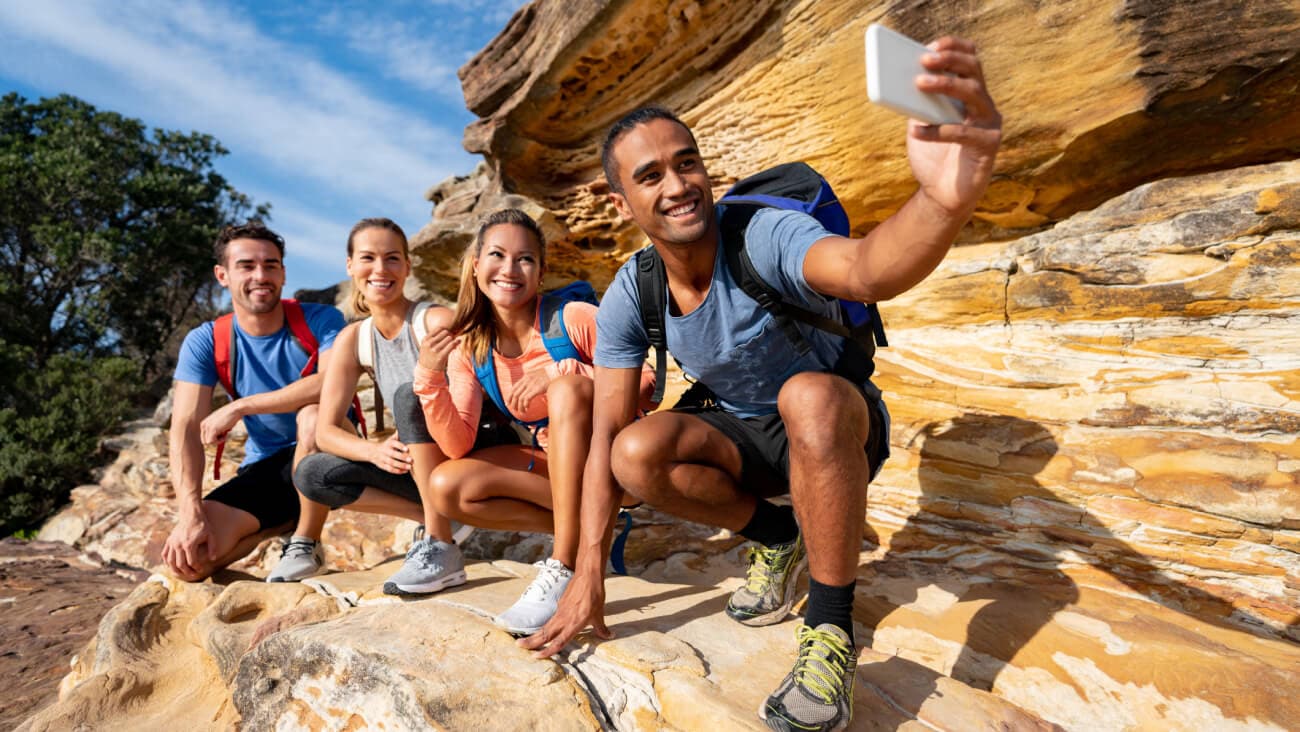
Image credit: Supplied
Bushwalking, hiking, tramping, trekking, rambling – walking in nature may go by different names around the world, but the reasons people love it are universal. You might do it for the sense of adventure, or for the exercise, or because it brings you closer to spectacular natural places.
For many people bushwalking ticks their self-care boxes. Because when you want to clear your mind, sometimes all it takes is fresh air, natural scenery, and the simple act of putting one foot in front of the other. Of course, it can be a physical and mental challenge too. But that triumphant feeling of reaching the summit, or the way the spray of a waterfall can instantly invigorate you, is always worth a few sore muscles.
Australia is blessed with vast and varied national parks, criss-crossed with tracks that are ripe for exploring. It’s a relatively simple activity that almost anyone can start doing, but a little bit of research and preparation means you’ll have a better time on the trail.
Australia’s national parks have a track grading system to help you pick the right one for your fitness, experience and accessibility needs. Tracks graded 1 are the easiest and most accessible, and often maintained to a standard suitable for people using a wheelchair or pushing a stroller. Tracks graded 5 are the most challenging. They can be longer, steeper, more remote and difficult to follow, so they’re only recommended for experienced bushwalkers.
You can gather information on best times to walk and current track conditions from national park websites, blogs, forums, Facebook groups, and outdoor apps like AllTrails. Or you can ask the national park office or visitor centre directly.
If you have any doubts, choose an easier track and come back for the harder one next time.
If you’re up for a moderate challenge, the Grand Canyon is a 5km loop in Blue Mountains NSW with plenty of stairs to get your heart pumping.
Image credit: Laura Barry on Unsplash.
When you’re new to bushwalking it’s smart to go with other people. Invite friends, family, join a local bushwalking club or research guided bushwalks. Make a habit of telling someone at home where you’re going and when to expect you back. Carrying a Personal Locator Beacon (aka a PLB, which you can buy or hire) is wise in remote areas where mobile service could drop out.
Our network maps can give you an idea of Optus mobile coverage anywhere in Australia, and you can also check how your connection is performing in real-time using Network Pulse in My Optus app.
With the right footwear, it’s amazing how far – and how fast – your feet can carry you. Boots or trail shoes will give you the grip, support and protection you need to walk confidently when the track is wet, slippery or rough underfoot. Try on lots of different styles and brands in-store while wearing the socks/insoles/orthotics you plan to bushwalk in. If the fit is snug, size up to accommodate swelling and to make sure there’s plenty of room for your feet to slide forward on steep descents.
Although modern hiking footwear is designed for comfort straight out of the box, it’s a good idea to test new boots at home and on short walks, so you can identify potential hot spots. Blisters are no fun, but because all feet are different, finding the prevention method/s that work for you might take a bit of experimentation. Strapping tape, hiker’s wool, sock/liner combo, and even toe socks are some of the most popular ways to reduce friction and keep feet happy on the trail.
There’s a reason activewear is rarely made of cotton— it gets cold and clingy when you sweat. For maximum comfort on the track, wear breathable moisture-wicking base layers like synthetics or merino wool. If it’s cold, leave that bulky winter jacket in the closet and take lighter mid-layers like down or fleece, that you can easily peel off and stuff in your backpack when you start to sweat.
Sometimes you’ll see casual walkers wearing disposable ponchos or even garbage bags to keep the rain off, which will do if you’re desperate, but a light, breathable rain jacket that also blocks the wind chill is a better long-term investment. And whatever the weather forecast says, don’t forget sun protection. UV is strong in Australia, even on cloudy days.
Take togs so you can cool off at Hazards Beach on an 11km circuit walk that includes iconic views over Tasmania’s Wineglass Bay.
Image credit: Tim Lippis on Unsplash
There’s no denying some of Australia’s wildlife has a reputation that strikes fear in the hearts of visitors from all over the globe. And while it’s true there are critters that can bite and sting, most of them have no interest in doing so, and will mind their own business if you leave them alone.
The reality is most animals will hear you coming and hide long before you have a chance to spot them, so consider yourself lucky if you do. Some famously elusive native birds and animals include lyrebirds, platypuses, cassowaries, echidnas and wallabies. As for snakes, otherwise known as ‘nope ropes’, just keep your eyes on the track ahead, and never walk through tall grass. Snakes don’t tend to linger on busy walking tracks and are less active during the winter months. You can always wear gaiters over your pants to put your mind at ease.
The last thing you want is to run out of water halfway up a big hill. Factor in the length and intensity of the walk, elevation, temperature, humidity and sun exposure, and your personal H20 needs, then add a little more. Use 500ml per person, per hour as a minimum starting point in mild weather. Also don’t forget to drink water in the lead up, to make sure you start the bushwalk hydrated. Then once you get going, it’s better to take small sips regularly than wait until you’re thirsty.
One more tip (because water is important): don’t rely on natural water sources or rainwater tanks unless you have a way to purify it, like a Steripen (which uses UV light to sterilize waterborne bacteria) or iodine tablets.
Walking at a speed you can sustain is much more fun than being constantly red-faced and puffed out. Slow down on ascents and take breaks as often as you need to catch your breath and admire the scenery. If your breaths are fast and shallow, try switching to a slower, deeper breathing pattern. If there’s another walker or a trail runner gaining on you, don’t try to walk faster. They’ll appreciate you pausing to let them go past.
To protect our natural environment from the spread of weeds and diseases, it’s good practice to wash your footwear before and after every bushwalk. Caked-on mud can carry seeds and spores which can spread and threaten native habitats. If you’re coming to Australia or New Zealand from overseas, be aware of strict biosecurity laws. You’ll need to declare any used outdoor equipment so it can be inspected, so make sure you’ve scrubbed it clean.
The climb up to Bluff Knoll is the most popular bushwalk in Stirling Range National Park, Western Australia.
Image credit: Will Roocke via Unsplash
Keeping our national parks thriving for generations to come starts with respect for nature and doing what we can to minimise our impact when we’re in the bush. Leaving no trace is about more than just carrying litter out with you. Remember to obey any signs, stay on established tracks, give wildlife plenty of space, and leave plants, rocks, shells, fungi, moss, seedpods, and areas of cultural significance undisturbed. “Take only photographs, leave only footprints” is another easy way to remember our responsibility to the natural areas we’re lucky enough to spend time in.
Need a dose of nature but can’t get away? These Netflix nature documentaries available via SubHub will tide you over. And don’t forget, you can help the environment by offsetting your device and completing our Optus Eco checklist.
Black Friday tech deals: when do Black Friday sales start?
12 October 2026
Black Friday tech deals are almost here. This is what you need to know about the big annual sales event.
EOFY scams: how to stay safe
7 October 2026
Stay safe this EOFY season – protect yourself from EOFY scams and read up on the tactics of scammers.
More than a game: celebrating the community spirit of the Koori Knockout
6 October 2026
We’re proud to show up for important events like the Koori Knockout.