Healthy screen time: it’s all about having a good time (not a long time)
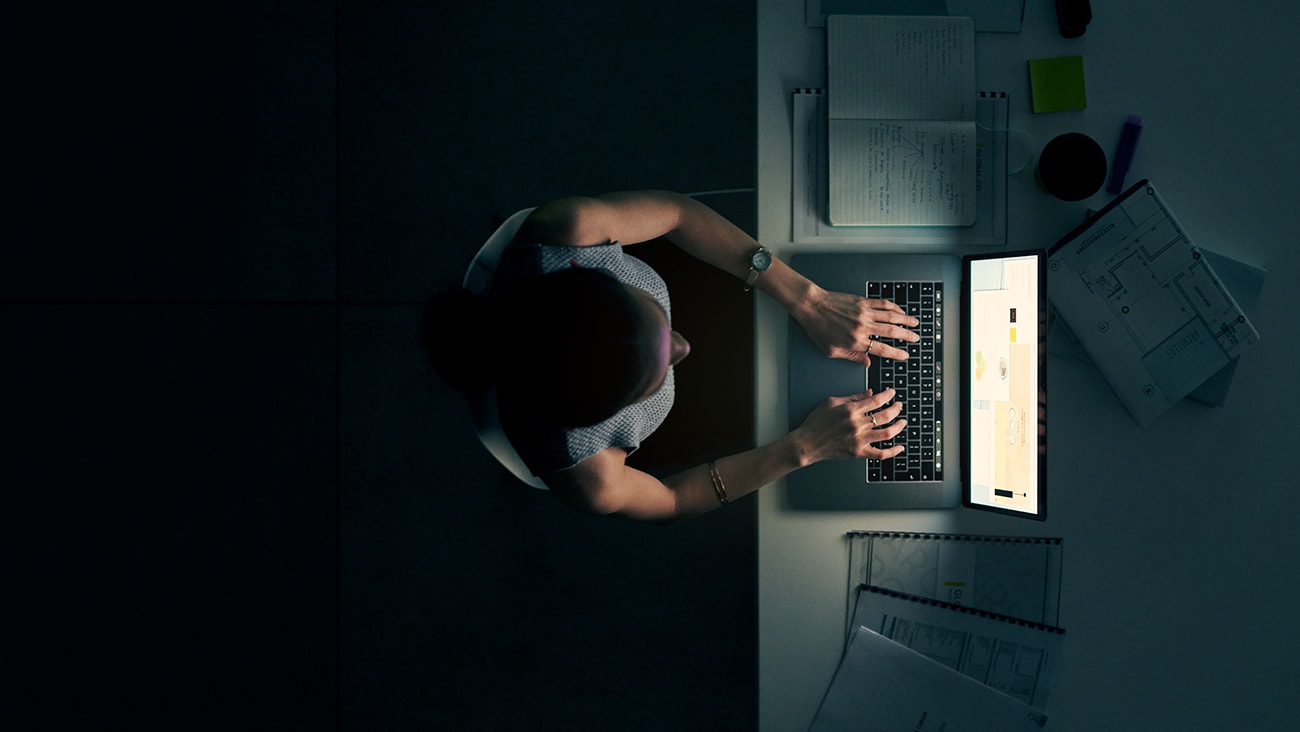
Image credit: iStock
So many of us live with at least one screen in our lives on a daily basis, and often more than that. How much is too much, and what can we do manage our screen time?
You’ve got mail, a chat message; twelve stories to heart react to, DMs across three different social media platforms, your text message inbox just hit the ol’ 999 unread, and that ridesharing app you downloaded last weekend has pinged you three times today about one promotion or another. You bounce between them maniacally, like a moth that can’t choose between seven different flames. Oh, also, it’s 1AM in the morning. Technology can be...a lot. Screen time statistics show that Australian’s now spend more time in front of screens than they spend sleeping. They live alongside us, helping us in so many ways that we barely notice it, but sometimes all the beeping and vibrating get a little too much. Ask anyone, and they’ll tell you about the three different times they deleted their social media profile in an effort to get away from the endless stream of notifications.
How Much is Too Much?
While there’s no consensus on how much total screen time is too much for an adult, it’s recommended that you break up your time spent looking at screens with a short break of around 20 seconds every 20 minutes. Go for a wander around the office or stare wistfully out the window of the train (it’ll make you look mysterious and interesting).
The elderly are a similar story, with no hard rules around recommended screen time, but studies recently found that they spend just as much – if not more – time in front of screens as younger demographics, owing mostly to television viewing. When it comes to children though, there are harder limits recommended. No child under the age of 18 months should have any interaction with screens, while kids aged 2 – 5 should only spend an hour a day with the iPad (good luck with that one.)
We’ve all attempted in one way or another to establish a different relationship with our ever-growing digital lives, and in the past few years, those conversations have gone mainstream.
Movements of ‘digital minimalism’ have sprung up, backed by those looking for a new way to fit technology into their lives. Apps which help us to meditate, sleep better, and time our use of social media are helping us fight back against our bad technology habits. The screen time cultural shift happening right now in tech usage is huge, and major smartphone manufacturers are making it a focus.
Image credit: iStock
Side Effects of Screen Time
The side effects of screen time can be varied, because it really comes down to what you spend most of your time consuming, and not every digital diet is an unhealthy one. Doing a lot of scrolling through perfectly manicured lives of social-media stars and influencers? We’ve all been there, but it’s generally accepted people who become too focused on other people’s digital lives can end up with low mood, or even depression.
Then there are the more standard physical ailments - not enough sleep, tired eyes, headaches and the like - that come with too much screen time. Sleep quality can have a massive influence on our overall health, and using your phone too much at bedtime has been linked to broken sleep patterns and mild insomnia. The worst.
Does it depend on the screen? Yes – screen size, proximity and brightness can all have an effect, to the point where a smartphone screen can be worse that a TV. So it pays to think about how you’re using a particular screen, and for what duration.
A Healthy Approach to Tech
When it comes to technology usage, it’s really about finding the right balance and establishing some personal screen time guidelines. Who knew? It’s not as easy as it sounds - screens and technology exist with us everywhere we go (and in many cases they’ve been designed to demand our attention), and screen time is now basically a misnomer, failing to capture all the ways that technology weaves its way into our day-to-day. Nobody is saying technology hasn’t improved our lives exponentially - we love tech. - but at the end of the day, it’s all about balance.
So is it game over for any escape from the omnipresent screen? No, of course not, and outside of work is the best place we can learn to hit pause.
Image credit: iStock
Screening your screen time
Years ago, if you wanted to limit your screen time, your best bet was locking your phone or computer in a safe and giving your friend the key. These days, it’s actually a little easier (believe it or not). Apps like Digital Wellbeing and Screen Time, available on the App Store and Google Play, help us get a clear view of just how much time we’re spending glued to our screens, set timers on our usage, and find ways to wrangle the endless stampede of notifications.
You’ll get a full overview of your screen-on time, how many notifications you receive, and even how many times you unlock your device. We’re pretty sure you’ll be blown away by just how your numbers can climb in a day.
The truth is, there are a lot of features and settings for digital health that are already built into our devices, but it’s up to us to use them. Take a look at the notifications settings panel of any app, and you’ll find ways to either limit its notifications or block them entirely.
If you really want to stop absent-mindedly reaching for the phone, figuring out your ‘problem apps’ is a great first step. Feel like you’re doing too much tweeting or DMing strangers and not enough talking to your family? Set an activity timer on whatever app you think is sucking your time. This is less about using technology less, and more about cleaning up all the messy notification messages that stress us out.
Using too much tech? The answer could be more tech (but probably not).
Phones can also serve as our best tools when it comes to forming healthier lifestyles. There are all kinds of health and wellness apps out there, focusing on everything from sleep to meditation. Some of the most popular sleep apps say they’ll track whichever state of sleep you’re in, so they know the exact right time to wake you up. Others which focus on mindfulness have guided meditations and can generate audio soundscapes while you sleep - like water lapping at a shoreline, or the slightly stranger ‘Tour to the Village of Cats’; purrs, meows and all.
When you add the technology of a smartwatch to the mix, you can track your heart rate, monitor your sleep quality, monitor dangerous sound-levels, and access fitness tracking beyond the usual step-counting that we see on smartphones.
It’s down to us to use our time away from work to reduce our screen time. Simple things like leaving your phone at home when you take the dog for a walk, giving yourself an hour or two of screen-free-time before bed, or setting your home Wi-Fi to auto-pause while you get ready in the morning.
Because really, as with pretty much everything in life (from ice-cream to ultra-running), healthy tech usage is about building good habits and maintaining a healthy balance. Just because staring at a screen for hours on end every night every night isn’t good for you (and we can’t say that’s a surprise to be honest) doesn’t mean technology can’t improve our health in countless ways. We just need to find that perfect balance of screen-on, screen off.
 Share on Facebook
 Share on Twitter
 Share on LinkedIn