Would a smart watch fit into your life? We explore some of the innovative and often surprising features on smart watches today.
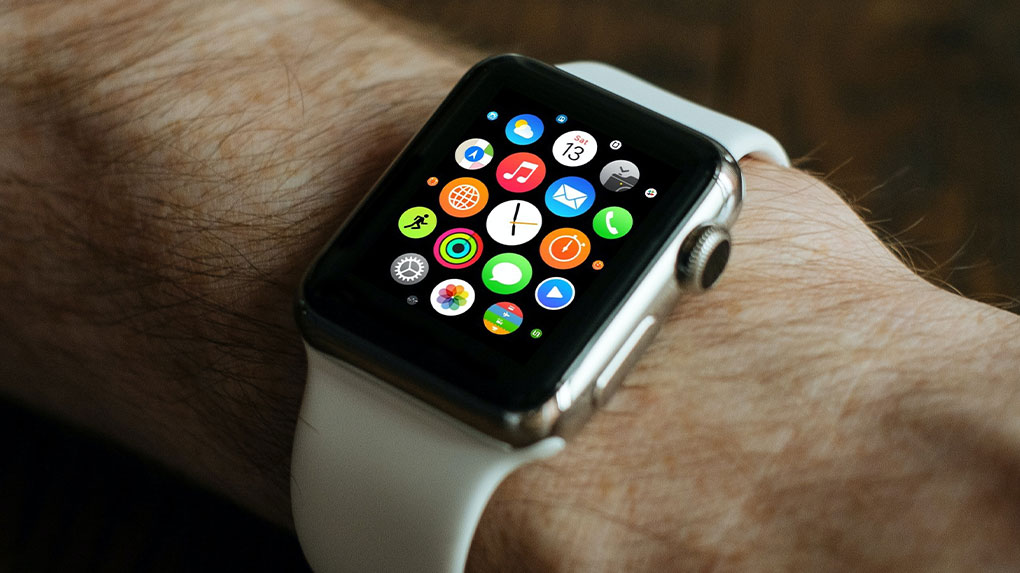
Let’s talk about all things smart watch. Those wonderfully handy, super futuristic machines strapped to your wrist. But did you know that some of the latest smart watches house the ability to measure blood oxygen, the ability to pay for things, take calls and more? If you’re wondering whether a smart watch can make your day-to-day easier, the answer is yes and here’s how.
Fitness
Do you like running, walking or cycling? Are you trying to add a bit more exercise into your daily routine? Or do you just need a reminder to get out of your office chair and go for a walk every so often? If you answered yes to any of the above questions, then it might be time to invest in a smartwatch.
Like many of the fitness trackers available on the market, some smart watches have the ability to track your daily exercise. For example, some smart watches use a GPS to show you where and how far your pre-coffee morning run was.
It can also house popular fitness apps (read more about our favourite fitness apps) like MyFitnessPal, Strava and Nike Run Club.
We’ve talked a lot about running, walking and cycling, but can some watches, like the Apple Watch Series 6 for example, be used for different exercises? Absolutely. From running, swimming, yoga, or cycling for example a smart watch, like the Apple Watch Series 6, can be like a tiny coach strapped to your wrist.
Health
Now we get to the little-known health features of the Apple Watch series 6, starting with blood oxygen sensors*.
Without getting into all that technical jargon, it’s used to monitor your blood oxygen levels, which will allow you to take measurements of the amount of oxygen in your blood, on demand.
By default, the Apple Watch Series 6 monitors your heart rate for the Heart Rate app and lets you breathe mindfully with the Breathe app. It can notify you if your heart rate remains above a chosen threshold or below a chosen threshold after you’ve been inactive for at least 10 minutes.
Lastly, fall detection. Some smart watches, like the Apple Watch Series 6, have an inbuilt algorithm that can detect when the wearer has had a fall. The accelerometer and gyroscope tech work together to monitor the wearer’s everyday activity and have the ability to detect an irregular falling motion. If your compatible Apple watch detects that you’re moving, it waits for you to respond to the alert and won’t automatically call the emergency services. If your watch detects that you have been immobile for about a minute, it will make the call automatically.
Everyday convenience
Smart watches are all about convenience. They can potentially enable you to be able to do many of the important things you can do on your phone, but smaller and on your wrist, as long as you the right watch, phone plan and a compatible phone. Think about it, you can take calls (all Optus watches are connected with an Optus SIM plan), get all your emails and texts, listen to podcasts and pay for your cappuccino via your smart watch. And if you really want to flex, get your smart assistant, whether it’s Siri or Google, to do all the heavy lifting for you.
Music/podcasts
If you’re out and about it’s a nuisance carrying around a heavy phone. A smart watch, on the other hand, straps nicely to your wrist and is super convenient so you can listen to all your favourite music or podcasts without lugging your phone around with you, as long as you have the right phone, watch and SIM plan, that’s it. Just make sure you sync your phone with your smart watch to move the podcast onto your device. Simple.
Have we left you with a smart watch hole in your everyday routine? We’ve got some that will suit your needs.
* Blood Oxygen app measurements are not intended for medical use, including self-diagnosis or consultation with a doctor, and are only designed for general fitness and wellness purposes


